
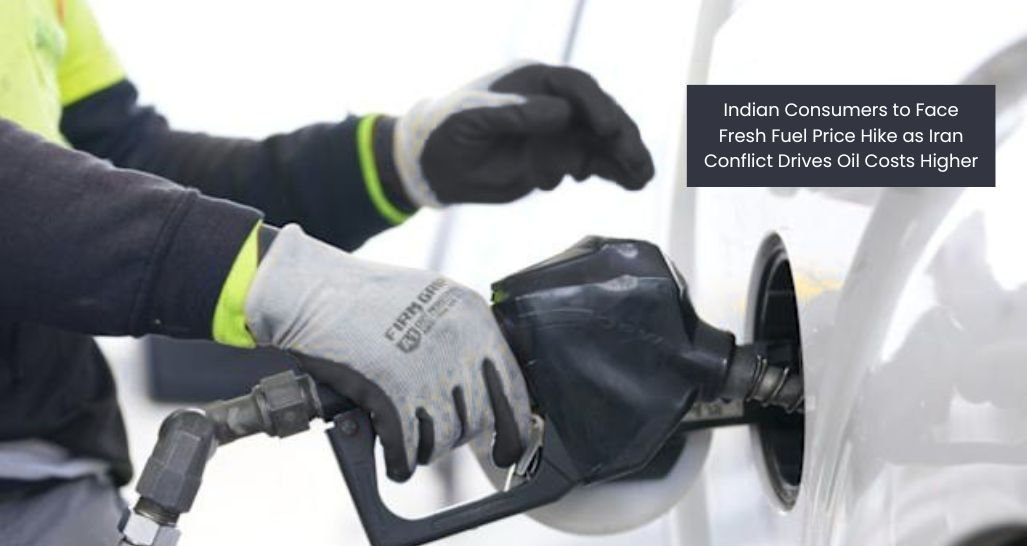

Indian consumers are once again facing higher fuel costs as state-run oil retailers raised petrol and diesel prices for the fourth time this month, reflecting the mounting pressure created by soaring global crude oil prices and ongoing tensions in the Middle East. The latest increase comes as the conflict involving Iran continues to disrupt global energy markets and strain supply routes critical to India’s energy security.
Under the revised rates announced on Monday, petrol prices increased by ₹2.61 per litre while diesel prices rose by ₹2.71 per litre across major cities. In New Delhi, petrol now costs over ₹102 per litre, while diesel prices have crossed ₹95 per litre. The latest revision follows three earlier hikes introduced over the past two weeks, pushing cumulative increases close to ₹8 per litre for both fuels since mid-May.
India’s three largest state-controlled fuel retailers, Indian Oil Corporation, Bharat Petroleum Corporation Limited, and Hindustan Petroleum Corporation Limited, together dominate nearly 90% of the country’s retail fuel market. Industry officials say the companies have been forced to gradually pass on rising international crude prices after absorbing heavy losses for weeks.
The sharp rise in global oil prices has been directly linked to the ongoing conflict surrounding Iran and the continuing uncertainty over shipping movements through the Strait of Hormuz, one of the world’s most important energy transit routes. Nearly a fifth of global oil supplies move through the narrow waterway, making any disruption there immediately felt across international markets. Analysts say India, which imports the majority of its crude oil requirements, remains especially vulnerable to such disruptions.
Although global crude prices showed slight easing on Monday following reports of possible diplomatic progress between the United States and Iran, energy markets remain volatile. Brent crude had surged dramatically over the past several weeks, briefly moving above the $100-per-barrel mark amid fears of prolonged supply disruptions.
The fuel price hikes are expected to increase pressure on household budgets already coping with rising transportation and food costs. Economists warn that sustained increases in diesel prices could have a wider inflationary effect because diesel plays a major role in freight movement, agriculture, and public transportation across India. Any prolonged rise in logistics expenses could eventually feed into retail prices for essential goods.
Several state governments are also reportedly reviewing their expenditure plans as rising fuel import costs threaten to widen fiscal pressures. The central government, meanwhile, has introduced certain austerity measures aimed at controlling fuel consumption and managing import bills. Officials are closely monitoring crude prices and shipping conditions in the Gulf region before deciding whether additional interventions are necessary.
The situation has also triggered unusual shifts in fuel demand patterns within the country. Dealers say many industrial and commercial users are increasingly moving away from higher-priced bulk diesel purchases and instead buying fuel from retail outlets, where prices are relatively lower. This trend has reportedly contributed to localized shortages in some regions and added pressure on retail fuel stations.
Despite the repeated increases, oil marketing companies are still believed to be selling fuel below actual market-linked costs. Industry sources estimate that refiners continue to lose significant amounts on every litre of diesel sold, especially as international crude prices remain elevated and freight costs rise because of disrupted maritime routes.