
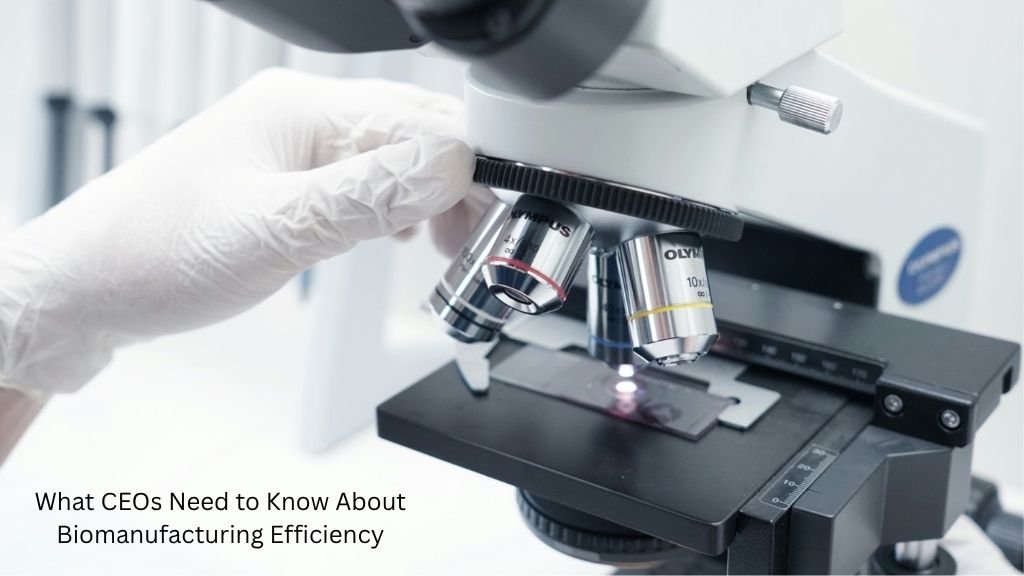

The biomanufacturing sector is growing fast, bringing huge opportunities but also putting immense pressure on production efficiency. For CEOs and executive leaders, scaling operations without losing quality or speed is a major challenge. To stay ahead, you need to strategically focus on making every stage of production as good as it can be, from initial research to getting the product out the door. This means looking past simple metrics and really digging into the core processes that drive your business.
Understanding Production Bottlenecks
In biomanufacturing, a bottleneck is anything in the process that slows down the overall flow. These slowdowns can pop up anywhere, from early cell culture to later purification and fill-finish steps. Often, they’re not obvious. A small delay in one department might seem minor, but it can create a ripple effect, causing big setbacks, raising costs, and delaying how quickly a product reaches the market. Common bottlenecks include equipment that can’t handle enough volume, long times spent changing over between batches, and inefficient ways of moving materials.
Finding these weak spots is the first step to making things better. It means thoroughly analyzing your entire production workflow, tracking how long things take and where resources are going. When you recognize the bottleneck of biomanufacturing in your facility, you can put resources where they’ll do the most good, instead of making general improvements that don’t fix the real problem.
Streamlining Complex Fluid Paths
Managing fluids is one of the most critical and complicated parts of bioprocessing. Traditional stainless-steel systems need intense cleaning and sterilization, which means a lot of downtime between production runs. These rigid systems also don’t offer much flexibility when processes need to change or scale up. Any inefficiency in how fluids are moved, stored, and processed can lead to contamination, product loss, and production delays.
Modern biomanufacturing is increasingly moving towards more flexible solutions. By using custom single use systems, companies can create pre-sterilized, closed setups designed for their specific needs. This approach dramatically lowers the risk of cross-contamination and removes the need for time-consuming cleaning and validation. The result is faster batch turnaround, more operational flexibility, and a smoother, more reliable production environment.
The Impact of Process Optimization
Optimizing your process isn’t just about fixing one bottleneck; it’s about building a culture of continuous improvement that makes everything more efficient. When processes are finely tuned, the benefits spread throughout the organization. You’ll see fewer batch failures, which directly cuts down on wasted materials and rework costs. Faster cycle times mean you can produce more with the same facility space, boosting overall capacity and potential revenue.
This focus on efficiency also gives you a powerful competitive edge. A streamlined operation can react faster to market demands and adapt to new therapeutic developments. As the global biomanufacturing strategic landscape changes, companies with optimized, scalable, and reliable production processes will be in the best position for long-term success and market leadership.
Measuring ROI in Bioprocessing
Any investment in improving processes needs to show a clear return on investment (ROI). For a CEO, understanding the financial impact of operational changes is essential. When you’re looking at investing in new technology or redesigning a process, it’s crucial to consider the total cost of ownership, not just the initial purchase price.
Key performance indicators (KPIs) to track include:
- Less downtime between batches
- Fewer labor hours spent on cleaning and setup
- Lower rates of product loss due to contamination
- Increased annual production capacity and throughput
Quantifying these improvements helps you build a strong business case for optimization projects. For example, calculating the value of an extra production run made possible by faster changeovers directly links an operational change to revenue. This data-driven approach ensures that investments are well-targeted and deliver measurable financial benefits.
Ultimately, driving efficiency in biomanufacturing is about more than just cutting costs. It’s about building a more resilient, agile, and competitive organization that can meet the growing demand for life-changing therapies.