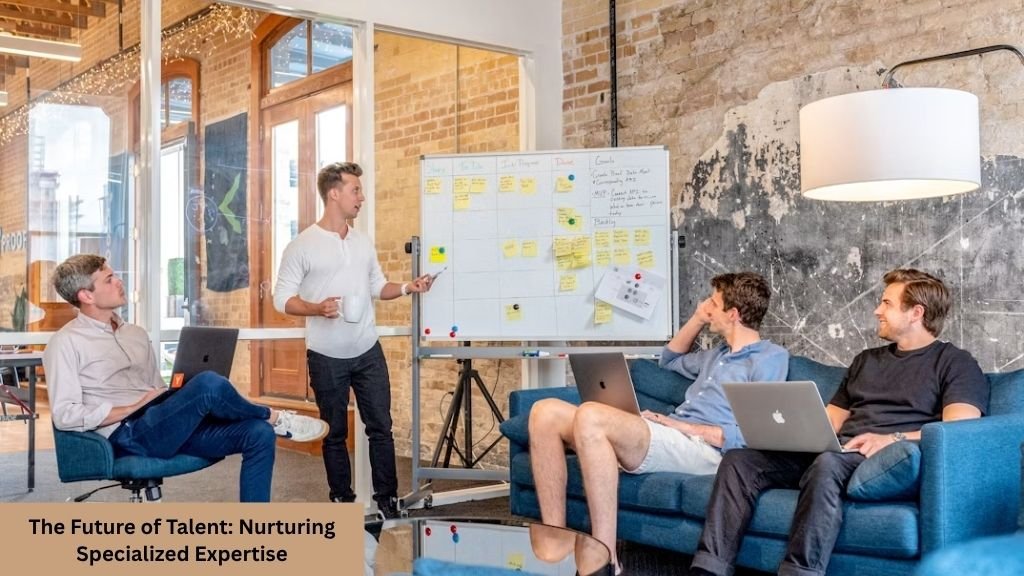

The modern economy doesn’t reward generalists the way it once did. Instead, a competitive edge increasingly comes from deep, specialized expertise. Companies that thrive in the years ahead will be those that learn to find, develop, and keep people with highly specific and advanced skills.
This shift means we need to rethink talent management entirely, moving away from rigid job descriptions and towards a more flexible, skill-focused way of building teams.
For both companies and individuals, understanding this trend isn’t just helpful; it’s vital for future growth and staying relevant. It’s about creating a place where mastering a skill is the goal and constantly learning is how you get there.
Building a Skill-Centric Workforce
Moving to a skills-based organization means looking past job titles and academic degrees. Instead, the main focus is on the specific abilities and competencies someone brings to the table. This model sees the workforce as a dynamic collection of skills that can be used to solve problems and drive projects, rather than a fixed hierarchy of roles.
In a skill-focused company, hiring managers look for proven abilities over years of experience in a particular role. A software developer, for example, isn’t just a “Senior Developer” but an expert in Python, machine learning algorithms, and cloud architecture. This detailed understanding allows for more precise team building and talent allocation.
It also makes the company more agile. When a new business challenge comes up, leaders can quickly find and put together a team with the exact mix of skills needed, no matter their official titles or departments.
Adopting this approach involves a few key steps:
- Skill Mapping: Making a full list of all the skills currently in the organization.
- Identifying Gaps: Comparing the existing skills with future business needs to find critical missing areas.
Targeting recruitment and training efforts on acquiring the most needed skills can help standardize digital skills for the workforce.
This approach helps create a more adaptable and resilient workforce, better equipped to handle the rapid changes of today’s business world. It’s a core part of preparing for the future of work and staying competitive long-term.
Assessing High-Potential Individuals
Finding people with the potential for deep expertise means looking beyond traditional measures like resumes and interviews. While experience is valuable, potential often shows up through demonstrated skill and a proactive drive to master a craft. Companies need to build systems that let this potential surface, often outside the usual job application process.
For example, in tech, coding challenges and contributions to open-source projects are strong signs of a developer’s real abilities. Similarly, a marketer might show their expertise by building a successful affiliate website or growing a social media channel from scratch. These real-world projects speak louder than any bullet point on a resume. They show initiative, problem-solving skills, and a genuine passion for the field.
In highly specialized areas like finance, performance-based assessments are becoming the norm. An aspiring trader might prove their aptitude not with a university degree, but by successfully navigating a challenge account with a trading firm. Passing such an evaluation directly demonstrates skill, discipline, and the ability to perform under pressure, which are qualities impossible to gauge from an interview alone.
By recognizing and creating ways for these kinds of validation, organizations can tap into a broader and more diverse talent pool, finding experts who might have been missed by conventional screening methods.
Pathways to Professional Mastery
In a traditional corporate structure, the only way up is often into management. This creates a big problem: it forces top-performing experts to leave their craft to advance their careers. A brilliant engineer becomes a mediocre manager, and the company loses a valuable technical asset. To nurture specialized expertise, companies must create parallel career paths that allow experts to grow in seniority and influence without leaving their domain.
This is often called a “mastery” or “individual contributor” track. On this path, an employee’s advancement is tied to their deepening expertise, their impact on projects, and their ability to mentor others. A senior specialist might be rewarded with:
- Increased Autonomy: The freedom to choose their projects and explore new ideas.
- Strategic Influence: A seat at the table when key technical or domain-specific decisions are being made.
- Mentorship Roles: The responsibility of guiding and developing junior talent.
- Compensation: A salary and bonus structure that rivals that of senior management.
Creating these pathways sends a powerful message: the organization values deep expertise as much as it values leadership. It allows top talent to keep doing what they do best while still feeling recognized and rewarded for their contributions. This structure is crucial for keeping experts who have no desire to manage people but are incredibly valuable to the business.
Investing in Continuous Development
Specialized expertise isn’t a one-time achievement; it’s a moving target. The skills that are valuable today might be obsolete tomorrow. Because of this, a commitment to continuous development is essential for any organization serious about nurturing top-tier talent. This investment goes far beyond an annual training budget or a generic e-learning portal. It requires building a true culture of learning.
A skills-based approach to the future workforce means giving employees the resources, time, and encouragement to constantly update their skills. This can take many forms:
- Dedicated Learning Time: Companies like Google have famously allowed engineers to spend a percentage of their work time on personal projects, fostering innovation and skill growth.
- Access to Experts: Sponsoring attendance at industry conferences, workshops, and seminars where employees can learn from the best in their field.
- Internal Knowledge Sharing: Creating platforms and forums for experts within the company to share their knowledge through presentations, workshops, and mentorship.
- Subscription to Advanced Tools and Platforms: Providing access to cutting-edge software, research databases, and specialized online courses.
The goal is to create an environment where curiosity is rewarded and learning is an integral part of the job, not an afterthought. When employees see that the company is invested in their professional growth, they are more likely to stay engaged and committed to maintaining their edge. This creates a virtuous cycle where both the individual and the organization benefit from a constantly evolving skill set.
Retaining Top-Tier Experts
Once you’ve found and developed specialized talent, the final challenge is keeping them. Top experts are in high demand and have many options. While competitive pay is a basic requirement, it’s rarely enough on its own to ensure loyalty. Keeping these individuals requires a more nuanced approach that addresses their inner motivations.
According to research on reward and career frameworks, experts are often driven by autonomy, mastery, and purpose. Organizations that cater to these needs have a much higher retention rate.
- Autonomy: Give your experts the freedom to tackle problems their way. Micromanagement is the fastest way to drive away a top performer. Trust them to deliver results and provide them with the support they need without dictating the process.
- Challenging Work: Specialists thrive on solving complex problems. Make sure they are consistently given projects that stretch their abilities and allow them to break new ground. Monotonous or unchallenging work leads to boredom and disengagement.
- Recognition and Impact: Make sure their contributions are visible and celebrated. This isn’t just about bonuses; it’s about acknowledging their role in successful projects and giving them a voice in the company’s direction. Show them how their deep expertise directly contributes to the organization’s success.
Ultimately, keeping experts means creating a work environment where they can do their best work. It’s about respecting their craft, giving them stimulating challenges, and recognizing the immense value they bring to the organization.
The future of talent is specialized. By building a workforce around skills, creating pathways to mastery, and investing in continuous growth, organizations can cultivate the deep expertise needed to innovate and lead in any industry.