
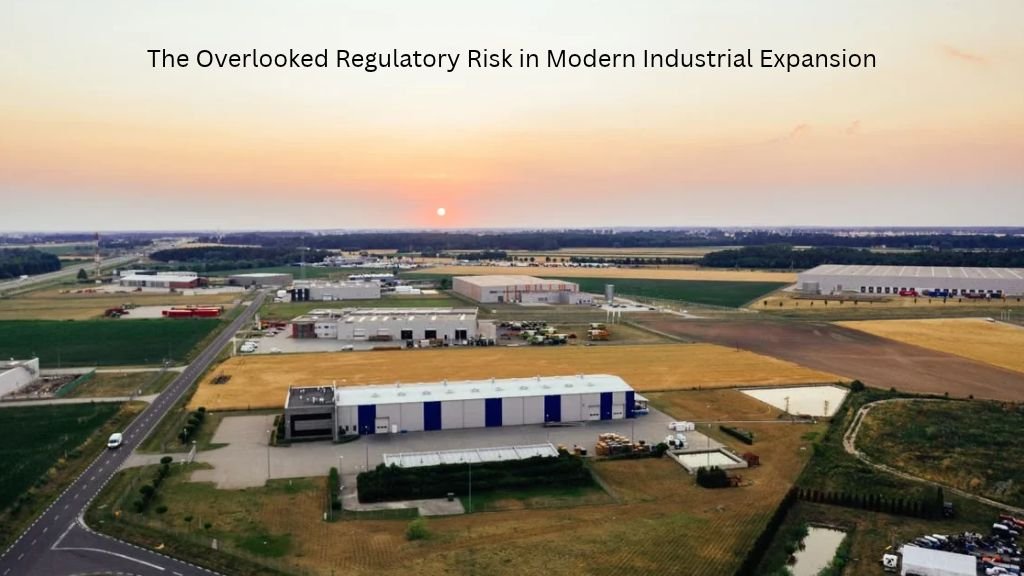

Industrial expansion plans can look sound on paper while overlooking how water moves across a site. Land price, highway access, and available labor often dominate early decisions, yet drainage patterns can affect construction costs, permitting schedules, and long-term operations. A warehouse or production campus that changes runoff volume may also strain nearby waterways and public infrastructure.
Why Site Selection Misses Hydrology
Traditional site screening often focuses on acreage, zoning, utilities, and transportation. Hydrology may receive only a high-level review until engineers begin detailed design. At that point, a property’s low areas, soil conditions, or off-site drainage flows can force expensive changes.
A 50-acre logistics site, for example, may replace absorbent ground with roofs and pavement. Rain then reaches drainage systems faster and in greater volume. Detention facilities can consume land originally reserved for parking or future buildings.
Before committing to a site, map drainage paths, review flood records, and test how readily the soil absorbs water. Teams evaluating complex parcels can also bring in stormwater management services to support planning, design, permitting, water quality monitoring, and compliance decisions. Early analysis helps developers compare the true usable area and infrastructure cost of each property.
Navigating Strict Discharge Standards
Industrial sites must manage both runoff quantity and water quality. Requirements vary by jurisdiction, but regulators may limit sediment, nutrients, metals, or other pollutants leaving a property. Construction activity can trigger one set of controls, while ongoing operations create separate monitoring and maintenance duties.
The US Environmental Protection Agency outlines how industrial stormwater discharges may require permit coverage and pollution prevention measures. Project leaders should identify applicable rules before finalizing the civil design, since permit conditions can affect loading areas, material storage, and drainage structures.
Create a compliance matrix that lists each approval, responsible party, submission date, and monitoring obligation. Include renewal deadlines and inspection records. This simple document helps prevent a missed permit condition from delaying occupancy or exposing the operator to corrective costs after opening.
Engaging Specialized Engineering Teams
Bring environmental and civil specialists into the project while site plans remain flexible. Their work should inform grading, utility placement, building elevations, and the location of retention or treatment systems. A late review usually limits the available solutions and can require redesign across several disciplines.
Ask prospective teams how they model major rain events, account for upstream flows, and document compliance. They should also explain who will inspect controls during construction and who will maintain them once the site is active. Clear ownership matters because clogged inlets or neglected treatment features can undermine an otherwise effective design. A broader approach to mitigating hidden risks in industrial operations can help project leaders build preventive reviews and clear responsibilities into their planning process.
Set formal review points at concept design, 30 percent design, and preconstruction. At each stage, compare assumptions against updated surveys, soil tests, and operating plans. This keeps water management connected to the facility’s actual use instead of an early generic layout.
Creating Resilient Logistics Hubs
A resilient logistics hub keeps people, vehicles and goods moving during disruptive weather. That requires more than meeting the minimum design standard. Critical access roads, electrical equipment and loading areas should remain functional under the project’s chosen risk scenarios.
Designers can distribute water controls across the site through vegetated channels, permeable surfaces, underground storage and landscaped treatment areas. The right mix depends on soil, space and maintenance capacity. For example, permeable pavement may suit low-traffic parking areas, while a heavily used truck court may need a conventional surface connected to dedicated treatment.
Operations teams should receive inspection schedules, asset maps and clear procedures for clearing debris before forecast storms. Annual drills can test alternate entrances and temporary routing plans. Those practical measures protect delivery schedules when drainage systems face their most demanding conditions.
Industrial growth becomes harder to manage when water risk appears after land acquisition or design approval. A short hydrology review during site comparison can reveal hidden land constraints, permitting demands, and operational weak points while the project still has options. That early work may determine whether the next major storm causes a brief maintenance task or a costly interruption.