
The next phase of the ride-hailing race may not be fought exclusively by companies operating fleets of human-driven cars. As autonomous driving moves towards commercial deployment, platforms are looking for ways to bring driverless vehicles into their networks without shouldering the entire cost of developing the technology.
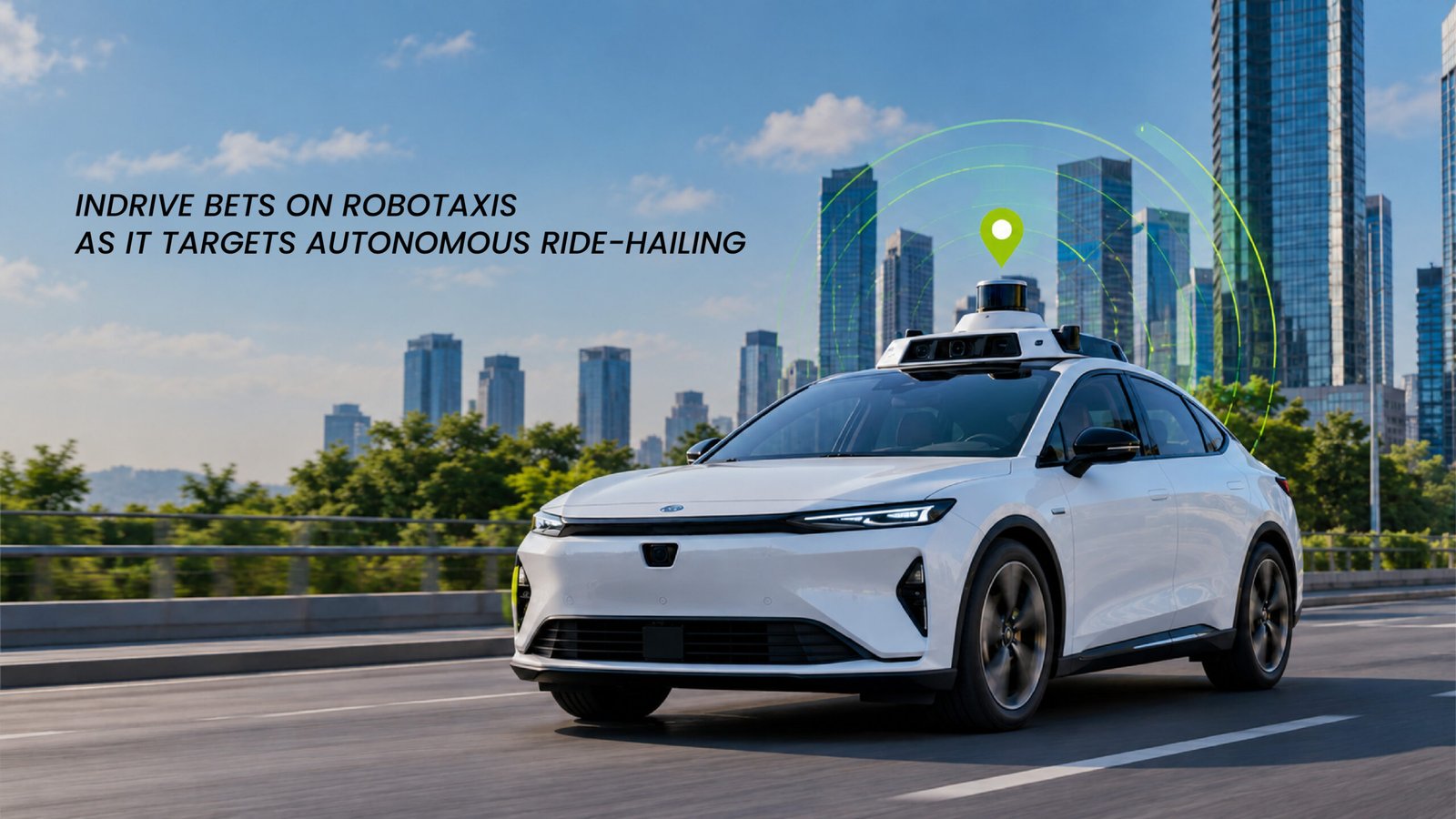
inDrive, the ride-hailing company known for allowing passengers and drivers to negotiate fares, is taking that route. The company plans to begin testing robotaxis in Kazakhstan in the first half of 2027, partnering with Chinese autonomous-driving developer Pony.ai and semiconductor giant Nvidia. The proposed initiative reflects a wider effort to extend self-driving mobility beyond established markets in the United States and China.
The initial trials are planned for Astana, Kazakhstan’s capital. They will begin with a safety operator onboard, with fully driverless rides identified as the longer-term objective.
Under the proposed arrangement, Pony.ai would supply its seventh-generation robotaxis, while inDrive would make the vehicles available through its ride-hailing platform and manage their operations in Kazakhstan. Nvidia would contribute the underlying technology, including its Hyperion platform and Halos safety system.
The division of responsibilities highlights how the autonomous mobility industry is developing. Rather than requiring every ride-hailing platform to build its own self-driving vehicles, partnerships allow companies to combine specialist capabilities across vehicle development, AI computing, safety and customer access.
For inDrive, which has built its brand around accessible transportation and negotiated fares, the economics of robotaxis will be crucial. Autonomous services require expensive vehicle hardware, sophisticated computing systems, extensive testing and ongoing maintenance. Removing the driver could eventually reduce one component of ride-hailing costs, but those savings must be weighed against the cost of operating and maintaining the autonomous fleet.
The initial presence of safety operators also means the earliest trials will not eliminate driver-related costs entirely.
inDrive has already explored autonomous mobility in other markets. It previously signed an agreement with Saudi Arabia’s AI Driver to examine a potential deployment using technology from Chinese autonomous-driving company WeRide, beginning with Riyadh. The status of that earlier proposed pilot remains unclear.