
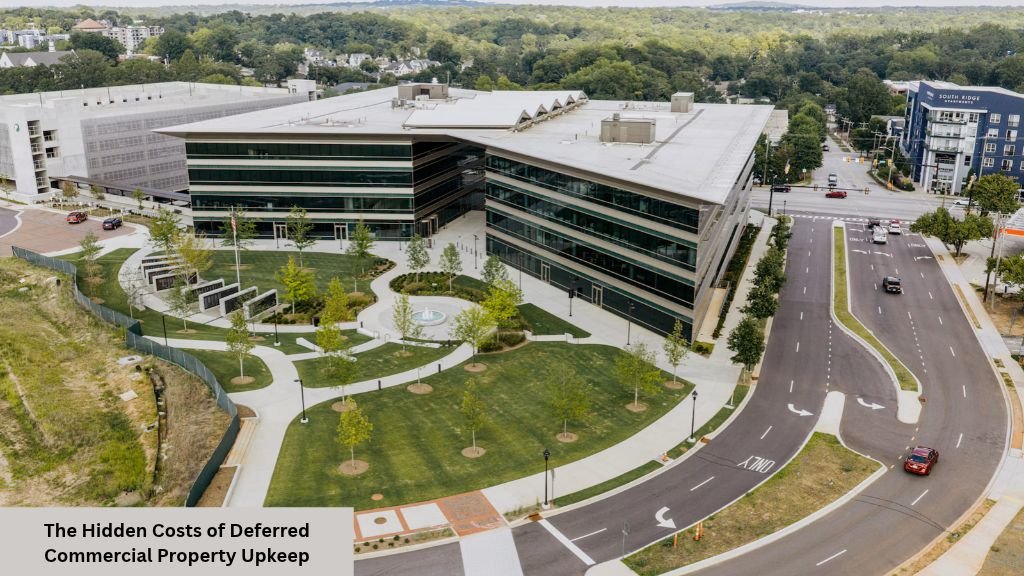

Deferred commercial property maintenance often looks like a budget-saving measure until small defects trigger larger repairs, tenant complaints, and operational disruptions. Exterior upkeep deserves particular attention because drainage, vegetation, and paved areas all affect how a site looks and performs. A reliable maintenance plan helps property owners identify early warning signs, schedule work efficiently, and avoid emergency expenses that can strain annual budgets.
Curb Appeal Directly Affects Tenant Retention
Tenants and visitors notice neglected grounds before they enter a building. Overgrown shrubs, bare planting beds, damaged walkways, and litter can suggest that management gives the rest of the property the same limited attention. For retail centers, healthcare campuses and office properties, that impression can affect renewals and customer traffic.
Inspect high-visibility areas at least monthly and after major weather events. Record damaged curbs, blocked signs, and declining plants with dated photos. Service expectations should specify mowing frequency, pruning cycles, cleanup standards, and response times so recurring issues are addressed consistently.
Water Infiltration and Foundation Hazards
Poor exterior maintenance can direct water toward buildings instead of away from them. Clogged drains, settled soil, and dense growth beside exterior walls may allow moisture to collect near foundations. Over time, water can enter lower levels, damage interior finishes, or contribute to pavement settlement.
Walk the property during or shortly after steady rain. Look for standing water, overflowing drains, eroded soil, and downspouts discharging near walls. Prompt attention matters because the costs of deferred maintenance extend beyond the original defect. A blocked drain may require a simple cleaning today, while delayed action could lead to damaged drywall, flooring, and stored materials. Send signs of structural movement or persistent indoor moisture to qualified building specialists for assessment.
Finding Vetted Partners for Grounds Care
A low bid provides little value if the contractor misses visits or leaves hazards unreported. Ask prospective grounds care providers about commercial experience, staffing capacity, insurance, and procedures for documenting completed work. Property managers comparing local options may search for a commercial landscape company near me and then evaluate each provider based on scope, reliability, and experience with similar sites.
Request references from properties with similar operating demands. A provider serving an industrial facility may need to coordinate around deliveries, while work at a healthcare campus requires careful scheduling around patients and visitors. Reliable contractors can play an important role in protecting commercial property value by identifying maintenance issues early and keeping exterior areas consistently managed. Review how each company handles weather delays, urgent requests, and seasonal transitions. A shared inspection checklist also improves accountability.
Proactive Maintenance Protects Capital
Create a rolling schedule that separates routine tasks from capital repairs. Weekly or monthly work may include litter removal, drainage checks, and walkway inspections. Larger items such as pavement resurfacing, irrigation replacement, and grading corrections belong in a multiyear capital plan with estimated costs and target dates.
Prioritize conditions that threaten safety, water control, or continued operations. Understanding which commercial property repairs to prioritize can help owners address urgent defects before less critical cosmetic work. Track every issue in one system with its location, photos, responsible party, and next inspection date. This record also supports realistic budgeting and gives managers clear evidence when requesting funds.
A property inspection after the next heavy rainfall offers a useful test of the plan. Water should leave paved areas, drains should remain clear, and soil should stay in place. Any failure found then belongs on the maintenance schedule before the next storm raises the price.