
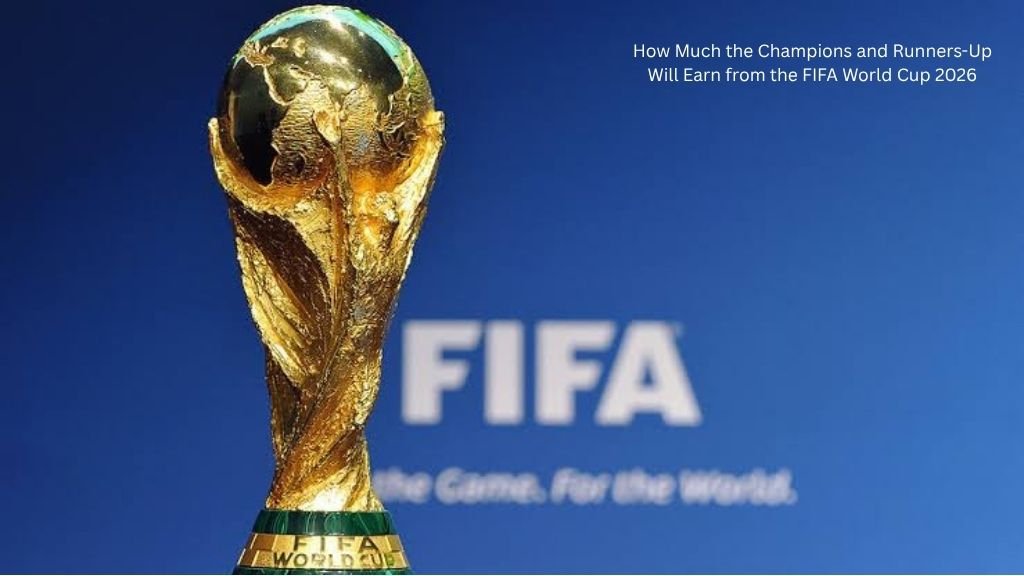

Spain defeated defending champion Argentina 1-0 after extra time on Sunday to win the 2026 FIFA World Cup, capping an impressive campaign with its second world title and a share of FIFA’s record-breaking prize pool.
The breakthrough came in the 106th minute when Ferran Torres converted Nico Williams’ low cross, breaking the deadlock in a final that had been defined by disciplined defending and tactical patience. Spain controlled possession for much of the contest, while Argentina struggled to create clear-cut opportunities against a well-organized Spanish backline.
Argentina, seeking to become the first men’s team in more than six decades to defend a World Cup title, mounted a late push but failed to find an equalizer. Spain’s defense, which had been one of the tournament’s standout units, remained composed under pressure to secure a historic victory. The European champions conceded just one goal throughout the tournament, underlining the consistency that defined their run to the title.
The victory completes a remarkable period for Spain under head coach Luis de la Fuente. Having already won the UEFA European Championship, Spain added football’s biggest crown by combining technical quality with tactical discipline and squad depth throughout the expanded 48-team tournament.
For Argentina, the defeat marked the end of another impressive World Cup campaign. The reigning champions reached a second consecutive final and once again demonstrated the resilience that has made them one of international football’s dominant forces in recent years. The match is also expected to be remembered as one of Lionel Messi’s final appearances on the World Cup stage.
Beyond the sporting achievement, Spain’s triumph also brought a significant financial reward. FIFA allocated a record $871 million in total funding for the 2026 World Cup—the largest prize pool in the tournament’s history. Of that amount, $655 million was distributed based on on-field performance, with an additional $10 million qualification payment and $2.5 million preparation grant awarded to each participating nation.
As tournament champions, Spain will receive $50 million in prize money, while runners-up Argentina will earn $33 million. The third-placed team will receive $29 million, with fourth place earning $27 million. Quarterfinalists are awarded $19 million each, Round of 16 teams receive $15 million, Round of 32 participants collect $11 million, and teams eliminated in the group stage earn $9 million in performance payments.
The record financial distribution reflects FIFA’s expanding commercial revenues following the tournament’s expansion to 48 teams. For Spain, the victory delivers both sporting glory and a substantial financial windfall, reinforcing the nation’s return to the summit of international football after a 16-year wait.