
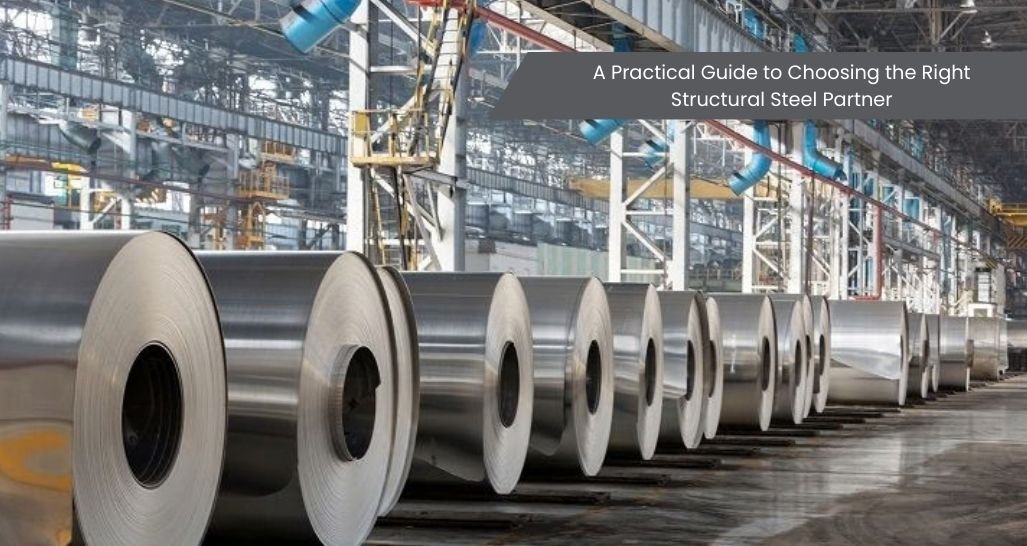

Structural steel plays a critical role in modern construction. From commercial buildings and industrial facilities to infrastructure projects and residential developments, steel components provide the strength and stability that structures rely on. Because these materials form the backbone of a project, selecting the right structural steel partner is an important decision for contractors, engineers, and developers.
The right supplier does more than simply deliver materials. A strong structural steel partner contributes expertise, consistency, and reliability that help projects move forward smoothly. This guide explores the key factors to consider when choosing a partner for structural steel supply and fabrication.
Evaluate Industry Experience and Expertise
Experience is one of the most valuable indicators of a reliable structural steel partner. Companies with a long track record in the industry are more likely to understand the complexities of construction projects, including compliance requirements, material specifications, and project timelines.
An experienced supplier can often anticipate challenges before they arise. Whether the project involves structural reinforcement, threaded components, or custom fabrication, knowledgeable suppliers are better equipped to recommend solutions that align with engineering requirements.
Working with established providers such as Alpha Rod ensures that projects benefit from specialist expertise in structural steel products and components.
Assess Product Quality and Standards
Structural steel must meet strict quality standards to ensure safety and performance. When evaluating potential partners, it is important to confirm that their materials comply with relevant regulations and certifications.
High-quality suppliers should be transparent about their manufacturing processes and the standards they follow. This may include compliance with recognised engineering specifications, material testing procedures, and quality assurance systems.
Consistency in product quality is especially important for large-scale construction projects where even small variations in materials could affect structural performance.
Review Product Range and Customisation Options
Different construction projects require different types of structural steel products. Some projects require standard components, while others require specialised items designed for unique engineering requirements.
A strong steel partner should offer a comprehensive range of products and services, such as:
- Structural steel bars and rods
- Threaded components
- Custom-cut or fabricated materials
- Fasteners and reinforcement products
Suppliers who can provide tailored solutions often help simplify project logistics by reducing the need to source materials from multiple providers.
Consider Supply Chain Reliability
Construction schedules depend heavily on reliable material delivery. Delays in steel supply can slow down project timelines, increase labour costs, and create logistical challenges.
A dependable structural steel partner should have strong supply chain management practices in place. This includes maintaining adequate stock levels, coordinating deliveries effectively, and communicating clearly about lead times.
Before choosing a supplier, it is worth reviewing their track record for meeting deadlines and fulfilling orders consistently.
Evaluate Technical Support and Customer Service
Structural steel suppliers often play a consultative role in construction projects. Engineers and contractors may need technical guidance regarding material selection, compatibility, or fabrication requirements.
Partners who provide responsive customer service and knowledgeable support teams can help resolve questions quickly. This collaboration can prevent delays and ensure that materials meet project specifications.
Strong communication also helps build trust between suppliers and project teams, which is particularly important for complex builds.
Look for Flexibility and Scalability
Construction projects can evolve as work progresses. Changes in design, unexpected structural challenges, or project expansion may require additional materials or modified components.
A good structural steel partner should be able to adapt to these changes without causing significant disruption. Flexibility in production, delivery schedules, and custom fabrication allows suppliers to support projects even when requirements shift.
Scalable supply capabilities are especially valuable for large developments or infrastructure projects where material demand may increase unexpectedly.
Check Reputation and Client Feedback
Reputation can provide valuable insight into a supplier’s reliability and professionalism. Contractors and developers often rely on recommendations or industry feedback when selecting suppliers.
Reviews, testimonials, and case studies can reveal how a company performs under real project conditions. Positive feedback often reflects consistent service, high-quality materials, and effective communication.
Taking time to research a supplier’s reputation can help reduce risk and ensure a smoother working relationship.
Building Strong Partnerships in Construction
Strong partnerships in the construction industry often lead to better efficiency, improved project outcomes, and long-term collaboration. With the right structural steel supplier in place, builders can move forward with greater confidence knowing that the structural backbone of their project is in capable hands.