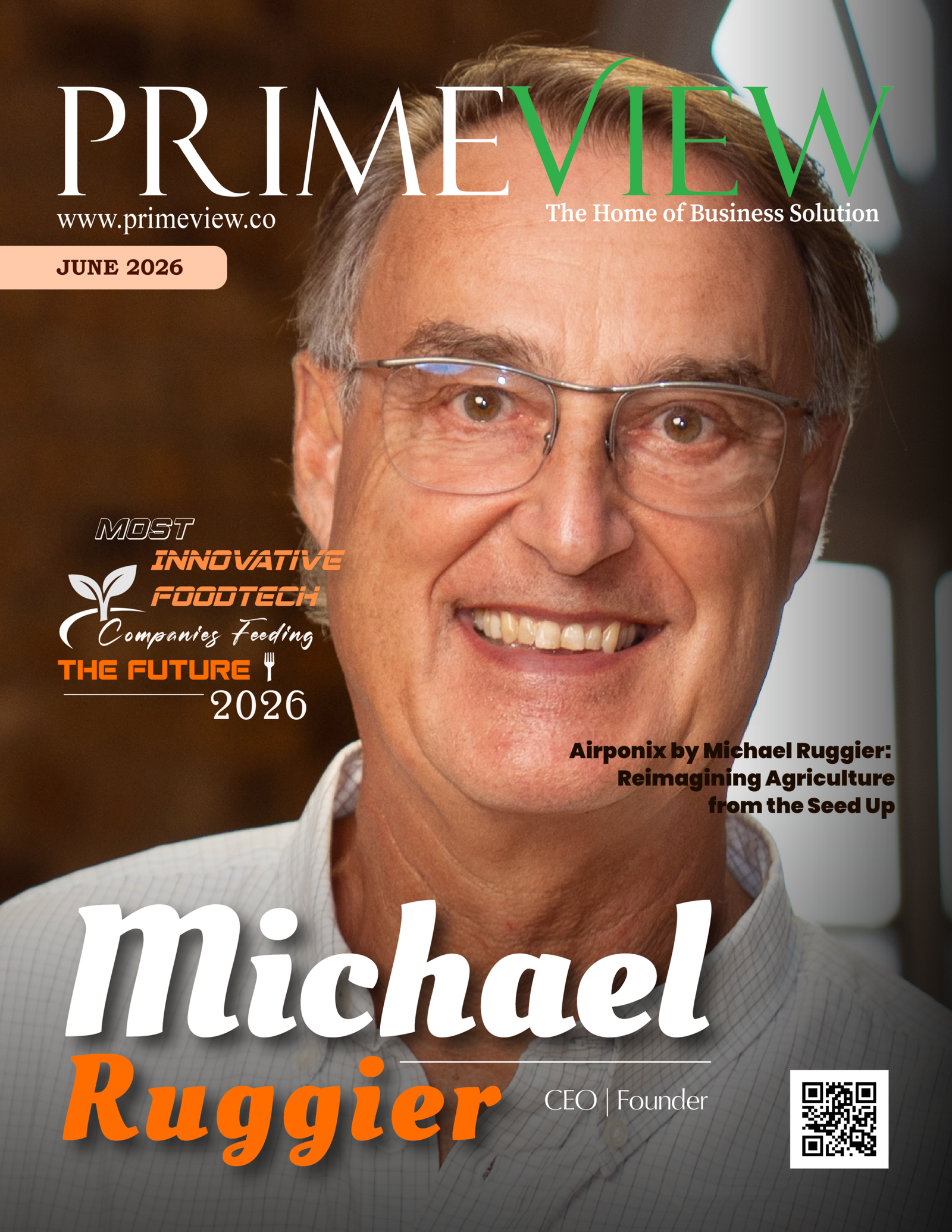


“In biotech, the science geeks. The hire decides whether there’s a headline at all.”
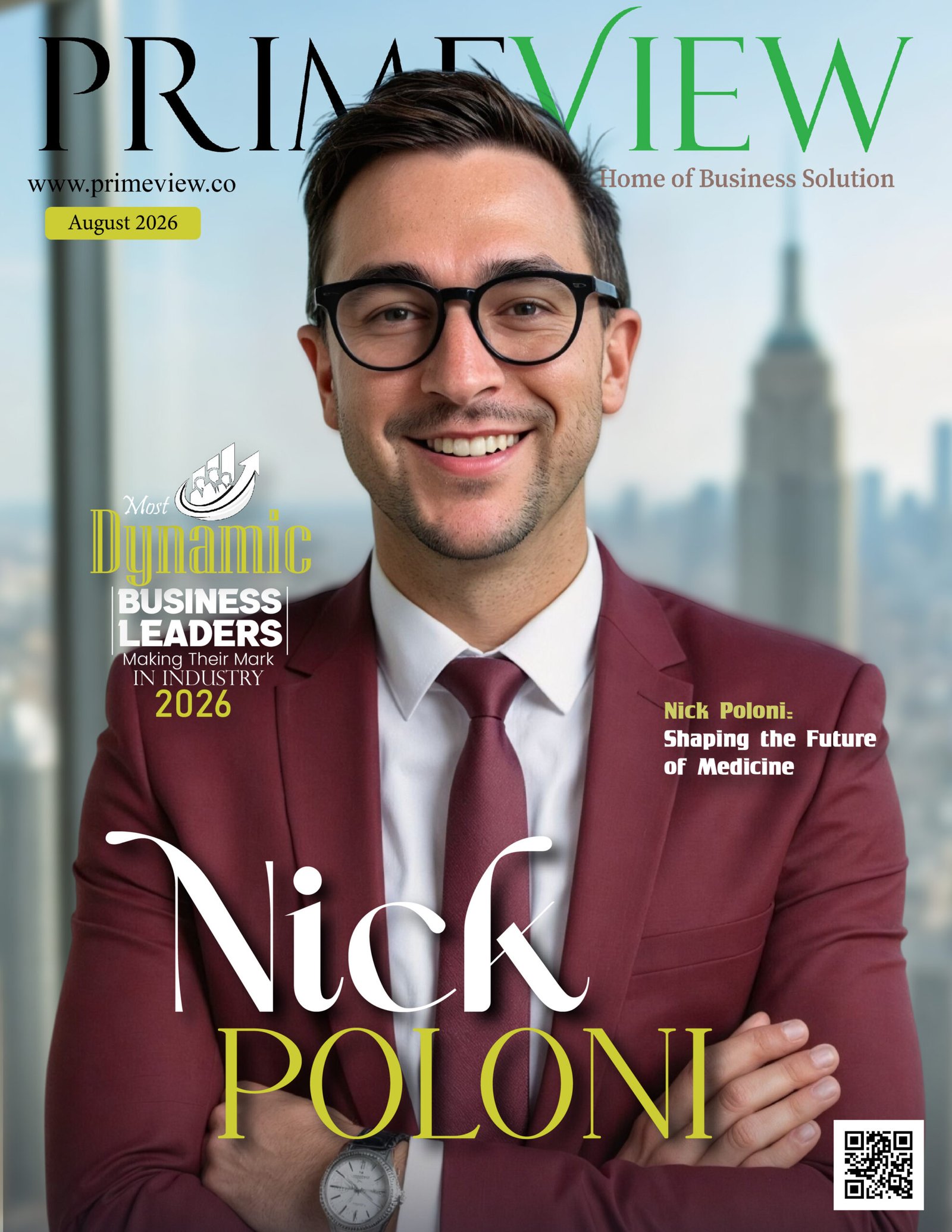
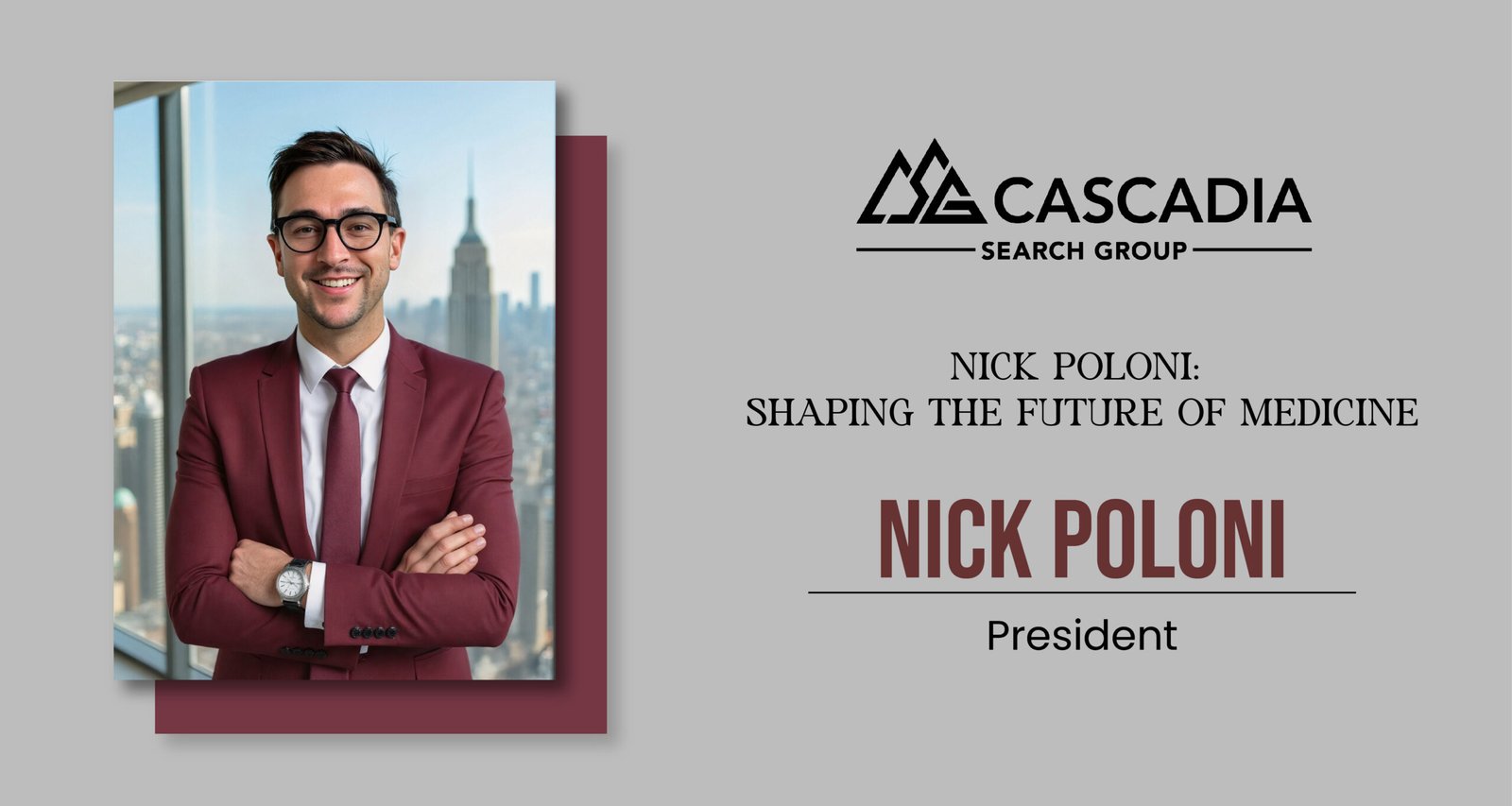
Nick Poloni, based in Washington, United States, is an award-winning recruiter, seasoned professional, and president of Cascadia Search Group, a boutique executive search firm focused on pharmaceutical and biotech industries. With over three decades of experience, Poloni has built his career around one core mission: helping innovative pharmaceutical and biotech companies build exceptional teams. Renowned for combining deep therapeutic expertise with a relationship-first approach, he leads Cascadia with the belief that influence in life sciences is not measured in office locations but in the trust earned with the leaders shaping the future of medicine.
The Intersection of Science and People
Nick Poloni came to executive search from two directions that ultimately converged. He has always been fascinated by the science: the molecules and the improbable odds of turning a discovery into a therapy that reaches a patient. But he also recognized early that drugs do not develop themselves. People do.
It’s the leader who runs a launch. The medical head who earns the trust of key opinion leaders. The commercial executive who reads a market before it moves. When Poloni examined what actually determines whether a promising company succeeds or stalls, the answer was consistent: it came down to who was in the room.
Executive search gave him a place at the intersection. It allowed him to care deeply about the science while obsessing over the people behind it.
When he stepped in to lead Cascadia Search Group, the firm already had a foundation dating back to 1990. What Poloni brought was a conviction that life sciences deserved a search partner fluent in its language, not a generalist who could simply spell the therapeutic area. That conviction has been the engine of his work ever since.
The Core Vision: Building a Firm That Leaders Call First
For Poloni, the goal was never to build the largest firm. “Boutique is a choice, not a limitation,” he says. His vision for Cascadia Search Group is to be the firm life sciences leaders think of first when the hire actually matters, when getting it wrong costs a launch window or a funding round.
Growth, in his view, means depth before breadth. That means going deeper into the therapeutic areas the team already knows cold and earning the kind of trust where a client calls before the role is even approved.
The long-term impact Poloni cares about is quieter than a headline. Every leader placed well creates a ripple effect: therapies reach patients faster. A rare disease program finds its commercial voice sooner. An oncology pipeline gains the medical leadership it needed a year earlier. “That is the scoreboard I watch,” Poloni says.
The Principles behind the Recognition
Cascadia Search Group has been named one of Forbes’ America’s Best Professional Recruiting Firms. For Poloni, the Forbes recognition is welcome validation, but it is a byproduct, not the goal. Three principles have guided Cascadia to that point.
First, say no. The firm turns down searches outside its lane. A mediocre search in an unfamiliar therapeutic area helps no one and quietly erodes trust. Specialization is the safeguard.
Second, treat candidates like future clients. Because they often become exactly that. The medical director placed today is frequently the chief medical officer who hires Cascadia five years later.
Third, tell the truth even when it is inconvenient. Inform clients about their timelines. Poloni believes honesty compounds. Reputation in this industry travels faster than any advertising, and it is the only marketing that has ever mattered to the firm.
What Makes Cascadia Search Group Stand Out?
Traditional firms sell reach. Cascadia sells judgment.
A generalist recruiter can produce a list of a hundred people with the right job title. What they cannot do is identify which oncology marketer actually drove the launch versus which one sat adjacent to it and inherited the slide deck. That distinction is everything. And it only comes from living inside these therapeutic areas.
Cascadia builds its searches around the science, the indications, and the drugs, not around keywords lifted from a job description. The team stays small on purpose. When a client works with Cascadia, they work directly with the people who own the search, not a junior handoff after the pitch. Clients feel the difference in the first conversation when the firm already understands their pipeline better than the last three firms who called.
The Making of a Transformation Leader
According to Poloni, the best leaders he places share a rare combination. They are fluent in the science without needing to be the smartest scientist in the room, and they can carry a team through the long stretches of uncertainty that define drug development. Biotech is not a business of steady quarters. It is a business of binary readouts, regulatory surprises, and funding that arrives and evaporates. Transformational leaders hold a clear vision through that volatility. They still make the unglamorous calls on time. They hire people better than themselves, and they are secure enough to let these people shine. Most importantly, they never lose sight of the patient at the end of the pipeline, because that is what keeps a team believing when the data gets hard.
AI for Speed, Humans for Judgment
Poloni welcomes AI for what it does best: making the mechanical parts of search faster. It can map a landscape and surface candidates a team might have missed. But AI cannot sit across from a candidate and sense if the ambition is real or hear the hesitation in a client’s voice that means the role is about to change. “Search has always been a judgment business dressed up as a sourcing business,” says Poloni. AI sharpens the sourcing so the firm can focus on judgment. Used well, it does not replace the human part of the work. It protects it.
The Impact of Data-Driven Recruiting on Executive Firms
Data has raised the floor for everyone. Poloni notes that firms can now see career trajectories, therapeutic exposure, and market movement with a clarity that would have taken weeks of phone calls a decade ago. That is genuinely useful. But data describes the past, and leadership is a bet on the future. Cascadia uses data to build a smarter starting list and challenge assumptions about fits. Then the firm does what data cannot: the reference that reads between the lines, the conversation that reveals why someone really left, and the pattern-matching from placing hundreds of leaders in these exact rooms. Data narrows the field. People still make the call.
Emerging Trends: Faster, Deeper, More Advisory
As per Poloni, three shifts are already underway. The first one is speed. Clients now expect the rigor of a retained search on a timeline that used to be impossible. Firms that cannot deliver both will lose. The second is specialization. As the science gets more specialized, generalists cannot keep pace. Depth will keep winning. Third is that the line between search and advisory is blurring. Clients want help shaping the role, benchmarking the market, and hearing when expectations are unrealistic, not simply filling a seat. Candidate expectations have also changed permanently. The best people have options, and they choose partners who treat them as more than a line item. The firms that internalize that will thrive.
Leading a Small Team in a Relationship Business
Poloni always hires people who are already driven, then gets out of their way. His job is to remove friction, protect their focus, and set the standard by example. With a small team, there is nowhere to hide. That builds trust. Everyone sees everyone’s work. He also refuses to chase volume at the expense of care. Burnout and cutting corners are the same disease. The team celebrates placements that stick, the clients who come back, and the candidates who reach out years later. Excellence in a relationship business is not a sprint. It is a reputation one rebuilds every single day.
The Priorities for What Comes Next
Poloni points to three priorities. First, deepen expertise. The firm will go further in the therapeutic areas where it already leads, because that depth is its moat. Second, invest in the tools. Technology lets a boutique punch above its weight, so size stays an advantage, never a ceiling. Third, build relationships. The goal is to turn a one-time search into a decade-long partnership. Poloni says, “For me, influence isn’t measured in office locations. It is measured in whether the people building the next generation of therapies pick up the phone when we call.”
The Future of Executive Search
The next decade will separate the firms that adapt from the firms that coast. Technology will automate more sourcing. That means human judgment, relationships, and specialized knowledge become the only durable value. The generalist model that survived on access alone is running out of runway. Cascadia is preparing by leaning harder into what a machine cannot replicate: deep therapeutic knowledge, real relationships, and the kind of trust that takes years to earn and seconds to lose.
The firm is adopting technology aggressively, but as a tool to be more human with clients and candidates, not less. The firms still standing in ten years will be the ones who understood that the science and the people were always the whole story.
Closing Message
Hire slowly for the roles that matter, and never outsource that decision to a process. The single highest-leverage thing you will do is choose the people around you, and the cost of getting a key leadership hire wrong is almost always higher than the cost of waiting for the right one.
In this industry, the data eventually gets hard. Every program hits the stretch where a readout disappoints or a timeline slips, and that is when leaders need a team that still believes in the mission. The therapies that change medicine are not built by companies. They are built by the specific, remarkable people inside them. Choose those people with the seriousness the decision deserves.