
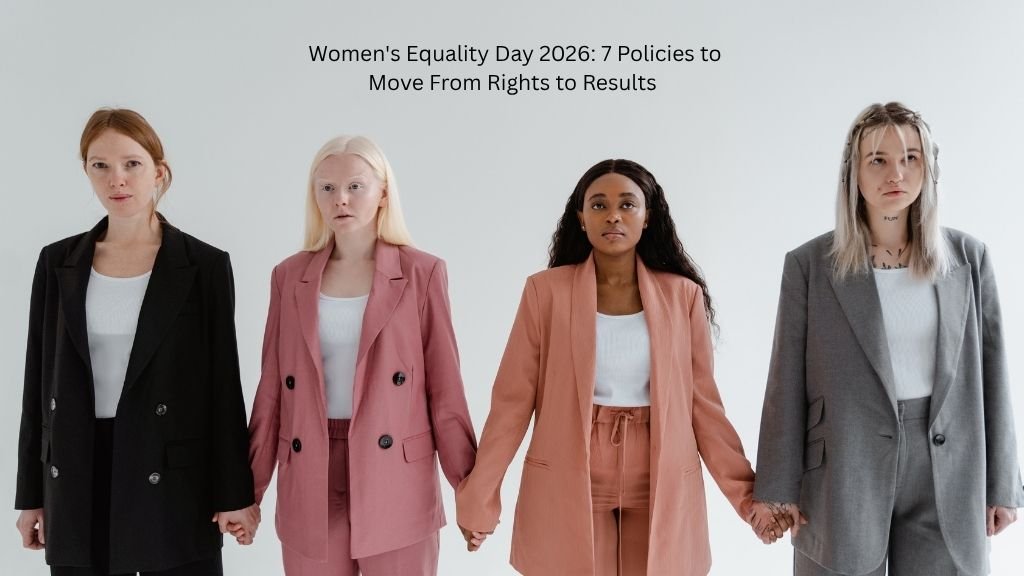


Promoting gender equality in the workplace is not just ethical but crucial. Gender equality entails treating all people equally, regardless of their gender identification.
As Women’s Equality Day is around the corner, it is an ideal time to reflect on how far we have come in terms of gender equality on a global scale and the required changes to empower women more. But first things first, what is Women’s Equality Day?
Women’s Equality Day: How It Started
Every year on August 26, the United States celebrates Women’s Equality Day to commemorate the 1920 adoption of the Nineteenth Amendment (Amendment XIX) to the United States Constitution, which granted women the right to vote.
To make this happen, 50,000 women marched along Fifth Avenue in New York City, while another 100,000 women took part in protests and rallies in 90 locations throughout 42 states in support of the women’s movement and equal rights.
Former NOW president Betty Friedan, feminist author Gloria Steinem, and U.S. Representative Bella Abzug spoke to the crowd. Protesters demanded equitable job and educational opportunities as well as the creation of 24-hour child care facilities. August 26 was first designated as “Women’s Rights Day” by President Richard Nixon in 1972. Every president has since said it is “Women’s Equality Day.”
Women’s Equality in 2026: 5 Policy Changes
Safety, economic independence, unequal pay, and patriarchy are still major challenges for women. Women have to decide whether to learn to cope with the system or revolt against it. They always experience an existential threat, believing that rebellion for equality will result in a loss of security. Women’s Equality Day is a perfect reminder for all the strong women to hold positions of authority and leadership to bring change. Most importantly, women should be treated equally, given similar opportunities, and paid equally for equal effort. Here are some essential policies to foster a female-friendly workplace.
1. Adaptable Work Schedules
Supporting women in full-time and part-time positions requires flexible work arrangements like remote work and flexible working hours. These policies help in higher job satisfaction and retention rates, resulting in stability to help employees attain a better work-life balance. Putting flexible work options into practice can be simple. Companies can begin by providing remote work options or letting staff members modify their schedules to meet personal obligations.
2. Childcare and Caregiving Support
Creating a family-friendly company requires offering childcare and caregiver support. Employers should consider offering flexible parental leave policies, on-site childcare facilities, or financial assistance for outside daycare providers.
Companies can improve job satisfaction and lower turnover rates by acknowledging the difficulties experienced by workers who have caregiving duties. In the end, helping working parents results in a more devoted and effective staff.
3. Unconscious Bias Training
Women’s professional advancement and overall job experience can be greatly impacted by unconscious bias. By putting unconscious bias training programs into place, employers may increase employee awareness of these biases and provide them with mitigation techniques. An inclusive and equal workplace is promoted by this training.
Employers should encourage staff members to consider their actions and attitudes by holding frequent training sessions and workshops on unconscious prejudice.
4. Leadership and Mentoring
Initiatives for leadership development and mentoring are crucial for developing female talent and providing equitable opportunities for career advancement. Organizations can offer direction, assistance, and beneficial networking possibilities by connecting female employees with seasoned mentors.
Women-focused leadership initiatives can help close the representation gap at higher levels. These programs enable women to assume leadership positions and support the expansion and prosperity of the company.
5. Equal Pay and Fair Hiring Practices
A key component of advancing gender equality in the workplace is ensuring fair recruiting procedures and equal compensation.
Regular audits and salary reviews can assist in locating and resolving any pay differences. Fostering a diverse workforce requires transparent hiring procedures that prioritize skills and qualifications above gender.
To eradicate bias in the hiring process, employers should also adopt gender-neutral job descriptions and interview procedures. Companies may attract top talent and establish a reputation for fairness by closing the gender pay gap and implementing fair hiring practices.
6. Regarding Workplace Harassment
Establishing a courteous and safe workplace is essential for everyone’s well-being. To nurture a culture of respect and responsibility, implement a zero-tolerance policy for sexual harassment and offer transparent reporting procedures. Organizations may boost employee morale and productivity by cultivating an inclusive and respectful culture.
7. Physician and Mental Well-Being
Encouraging employees’ holistic well-being is essential to creating a welcoming environment for women. Counseling services and mental health resources are examples of well-being efforts. These programs show a dedication to workers’ general well-being and support a pleasant workplace culture.
Companies might provide stress-reduction seminars, offer exercise programs, or offer tools for preserving a healthy work-life balance. Businesses may develop a more motivated and engaged workforce by putting employee well-being first.