
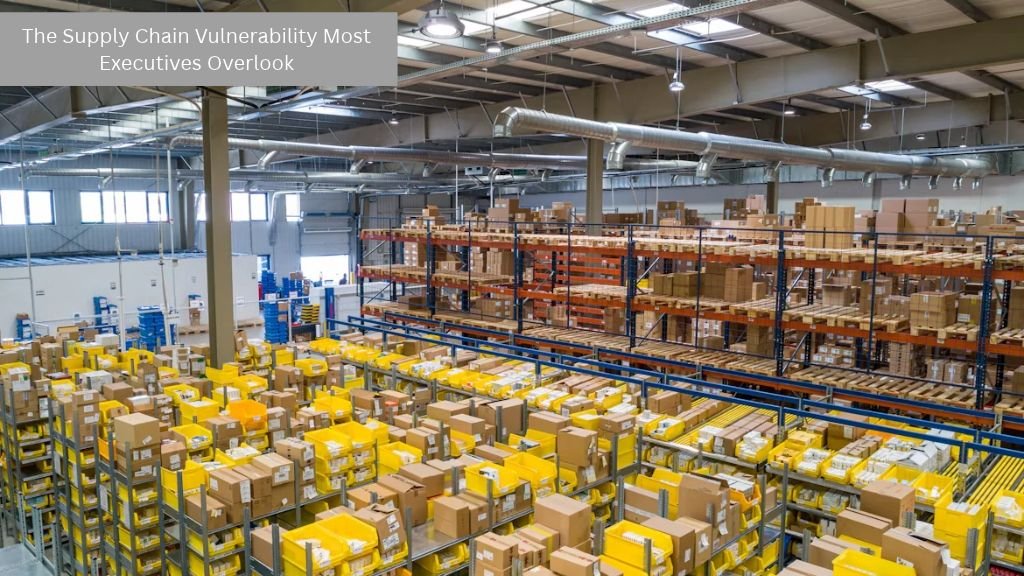


Transit damage often escapes executive attention because its costs are scattered across claims, rework, rejected loads and customer service budgets. A torn bulk bag or moisture-compromised paper sack may look like an isolated warehouse issue, yet repeated failures can erode margins across an entire product line.
Leaders who treat packaging performance as a supply chain metric gain a clearer view of preventable losses, while future-proofing your business. That visibility also supports better purchasing decisions, stronger supplier standards and more reliable deliveries.
The Hidden Toll of Transit Damage
Visible product loss represents only part of the cost of transit damage. A punctured container may require employees to stop work, isolate the load, clean the area and inspect nearby inventory. The business can also incur disposal fees, replacement shipping costs and retailer penalties. If a customer receives a short or contaminated shipment, the commercial impact may extend to lost future orders.
Track damage by package type, carrier, route and handling location. Include labor hours and expedited freight in each incident record. Executives already review hidden supply chain vulnerabilities in digital systems, and physical packaging deserves similar scrutiny. A quarterly damage dashboard can reveal recurring failures that individual claims obscure.
Where Bulk Containment Falls Short
Bulk containment often fails because specifications reflect ideal conditions instead of actual handling. Product weight is only one variable. Particle shape, moisture sensitivity, stacking pressure, filling temperature and exposure time can all affect package performance. A bag that works for a short warehouse transfer may fail during a multi-stop shipment involving forklifts, vibration and outdoor staging.
Review specifications with packaging suppliers when damage patterns emerge or distribution conditions change. A nationwide industrial packaging supplier such as Southern Packaging can help businesses assess options including FIBC bulk bags, liners, multi-wall paper packaging and polyethylene bags. Before selecting a format, share the filling method, transport mode, storage duration and unloading process. Those operational details help align materials and construction with the real demands of the route.
Modernizing Bulk Material Logistics
Modernization starts with consistent data and controlled trials. Give every damage event a standard code, photograph the failure and record where employees first noticed it. Then test one packaging variable at a time. For example, a company experiencing moisture intrusion might trial an appropriate liner on several representative routes before changing its full inventory.
Pair these physical controls with clear digital records. Purchase specifications, inspection results and approved supplier documents should have defined owners and access rules. Guidance on supply chain attack prevention reinforces the value of monitoring connected systems and limiting weak access points. In practice, reliable logistics depends on both package integrity and trustworthy information. If either fails, teams may release the wrong material, miss a defect or lose traceability.
Protecting Margins at Every Touchpoint
Set acceptance standards for each handoff, including filling, staging, loading and customer receipt. Warehouse teams should know which defects require repacking and which call for quarantining the load. Carriers need clear instructions for stacking, securing and protecting materials from weather. Customers should have a simple process for documenting damage before the product moves deeper into their facilities.
Use total landed cost when comparing packaging choices. A lower unit price offers little value if the format produces more spills, labor interruptions or replacement shipments. Review claim rates alongside packaging spend and calculate damage per thousand units shipped. The strongest option is the one that protects usable product through the final handoff.
An executive review should focus first on the routes and package formats with the highest combined loss. A 60-day controlled trial, supported by consistent inspection records, can show whether a revised specification reduces damage enough to justify broader adoption. That evidence turns packaging from an indirect expense into a measurable margin control.