
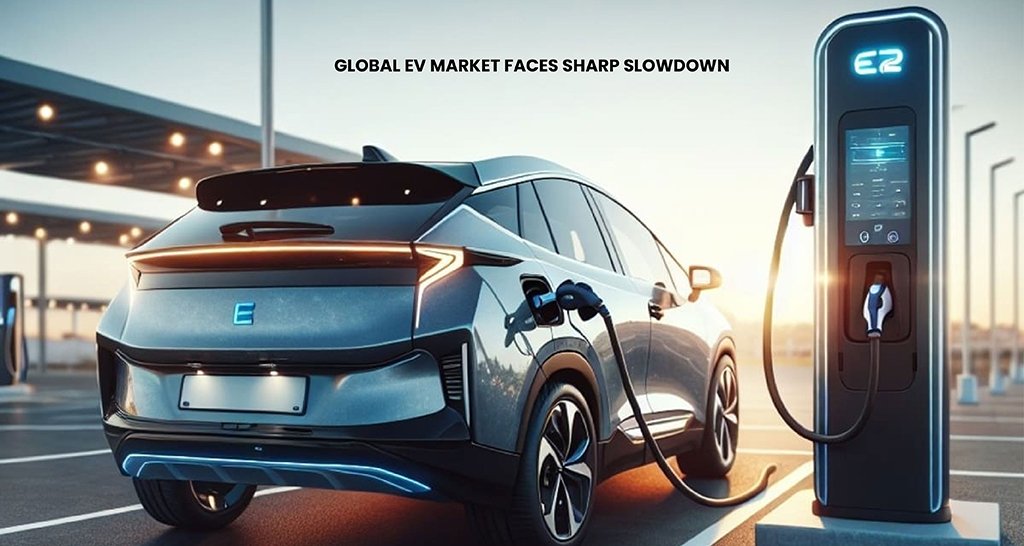


Global electric vehicle (EV) sales have hit their slowest growth rate since February 2024, marking a significant shift for the industry as the momentum begins to wane in key markets. Data from November reveals that worldwide EV sales have only increased by about 6% compared to last year, which is a sharp drop from the double-digit growth that has characterized the sector in recent times. This slowdown is indicative of a larger mix of factors, including policy uncertainty, consumer reluctance, and a more mature demand landscape in the world’s largest EV markets.
China, a key player in the global electric vehicle (EV) boom, has recently reported its slowest growth in quite some time. Sales have only seen a slight uptick as the market begins to show signs of saturation. After years of rapid growth, urban consumers now enjoy a wider array of choices, more competitive prices, and heightened expectations, but the rate of new purchases has started to slow down. Intense price competition among major manufacturers, along with previous cuts to government subsidies, has complicated consumer sentiment even further. Many potential buyers are holding out for new models, better discounts, or new policy incentives before making a purchase.
In the United States, the situation is even tougher. Sales of electric vehicles (EVs) took a nosedive as shifts in federal policy threw a wrench in demand. The gradual removal or tightening of tax credits for specific EV models had an immediate impact, leading to a significant drop in new registrations. Automakers noted that many buyers hurried to finalize their purchases earlier in the year to take advantage of the benefits before they disappeared, which left a gap in demand afterward. To make matters worse, mixed messages from regulators, with some rules being re-evaluated or postponed, have caused uncertainty for both consumers and manufacturers.
Europe really stood out as the most resilient player during this global slowdown. The region managed to maintain healthier growth, thanks to ongoing incentives and a clearer long-term climate policy. With stable regulatory support, a growing network of charging stations, and a variety of competitive models available, buyer confidence remained strong. However, it’s worth noting that Europe’s progress wasn’t enough to counterbalance the significant downturns seen in China and North America.
Industry experts are sounding the alarm that the future of electric vehicle (EV) sales in the near term will largely depend on government actions. In the U.S., if clarity is restored around incentives or emissions regulations, it could help stabilize demand. On the flip side, inaction might drag out the current slump. Over in China, the market’s fate will rely on whether authorities roll out new measures to spark consumer interest or allow competition to push the industry toward consolidation. For Europe, keeping consistent support will be crucial to maintaining its current momentum.
Despite the slower growth, experts are quick to point out that the global move towards electrification is still going strong. However, the latest data highlights that this transition is now entering a more intricate phase, influenced not just by technological advancements but also by political choices, economic factors, and changing consumer expectations. Whether this current slowdown is just a brief pause or a sign of a longer-term cooling trend will become clearer as markets adapt to this shifting policy environment.