

Digital channels make it possible to reach customers quickly, but repeated exposure can reduce the impact of even a well-designed campaign. Ad fatigue develops when audiences see the same message too often and begin ignoring it, which can raise acquisition costs and weaken return on ad spend.
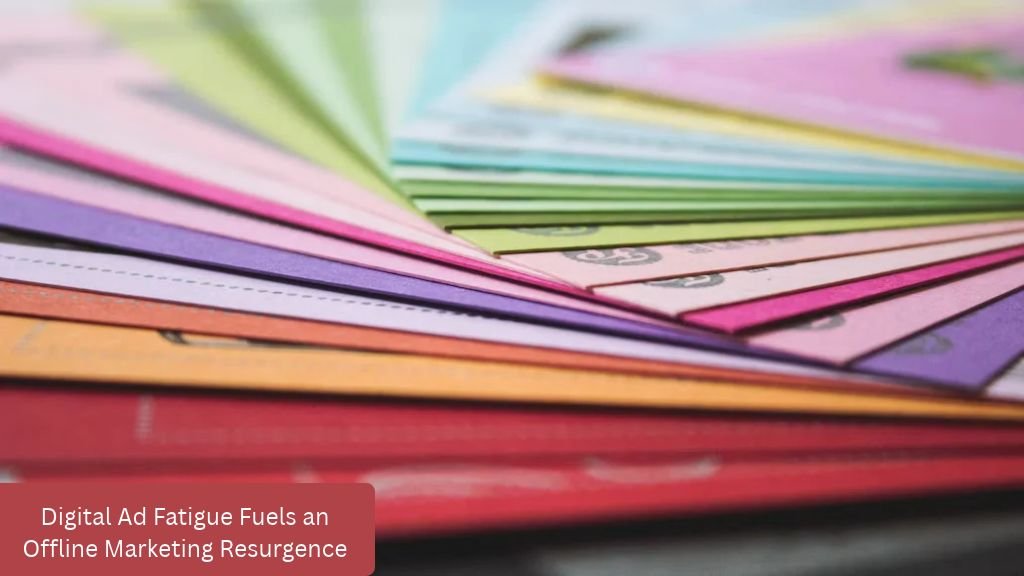
Offline marketing offers a practical counterbalance. Printed pieces give customers something physical to notice, keep and revisit. When coordinated with email, social media and search campaigns, those materials can restore variety without fragmenting the brand message.
Inbox Overload Kills Engagement
Customers receive promotional emails, app alerts and sponsored posts throughout the day. As that volume grows, a familiar subject line or visual may disappear into the background. Common ad fatigue warning signs include falling click-through rates, higher costs, and lower engagement despite stable targeting.
Review performance by creative version and audience segment every week. If frequency rises while response falls, rotate the message or pause the creative. Offline touchpoints can also relieve pressure on crowded digital channels. A neighborhood business might follow an email promotion with a postcard that features the same offer, colors, and landing page. The customer receives a recognizable message in a less congested setting.
Tangible Assets Build Stronger Memory
Physical marketing materials engage sight and touch while occupying real space in a customer’s home, office, or bag. A useful card may stay near a desk for months, while a digital impression can vanish after a quick scroll. This extended exposure gives printed collateral more opportunities to reinforce brand recognition.
Choose formats that serve a clear purpose. Event cards can include schedules and contact details, while product inserts can explain care instructions or introduce related services. Businesses preparing a coordinated campaign can use PrimoPrint printing services for customizable business cards, banners, posters, and other printed materials. Keep the logo, offer, and visual style consistent with the accompanying digital campaign so customers immediately connect each interaction.
Streamline Your Collateral Production
Create a simple production system before ordering materials. Start with one approved message, a defined audience, and a specific action you want recipients to take. That action could be visiting a product page, scheduling an appointment, or bringing a card to an event.
Maintain reusable templates for common formats such as postcards, flyers and business cards. Each template should include current brand colors, approved typefaces, and enough open space for campaign-specific details. Assign one person to check names, dates, prices, contact information, and QR codes before files go to print.
Order quantities based on confirmed distribution plans. A team attending three events with 200 expected visitors at each needs a different print run from a company sending materials to 5,000 households. Smaller initial orders can also limit waste when testing a new offer.
Measure the Multichannel Return
Give every offline campaign a measurable response path. Unique QR codes, short landing page addresses, campaign-specific phone numbers, and redemption codes can connect printed pieces to site visits or sales. Record production and distribution costs alongside conversions so you can calculate the cost per response.
Look beyond the final purchase when evaluating results. A postcard recipient may scan a code, join an email list, and buy several weeks later. Your analytics and customer relationship management system should preserve that sequence when possible.
Compare matched campaigns as well. For example, send one customer group an email only and give another group the same email plus a printed card. Differences in visits, inquiries, and purchases can show the added value of the physical touchpoint more clearly than total sales alone.
Offline marketing works best when every piece has a defined job and a traceable route back to the business. A printed card that drives customers to a dedicated page can extend campaign life, reduce dependence on repeated digital impressions, and reveal which combination of channels earns attention. These insights can also help businesses refine digital marketing services to maximize ROI by identifying the most effective channel mix and customer touchpoints.