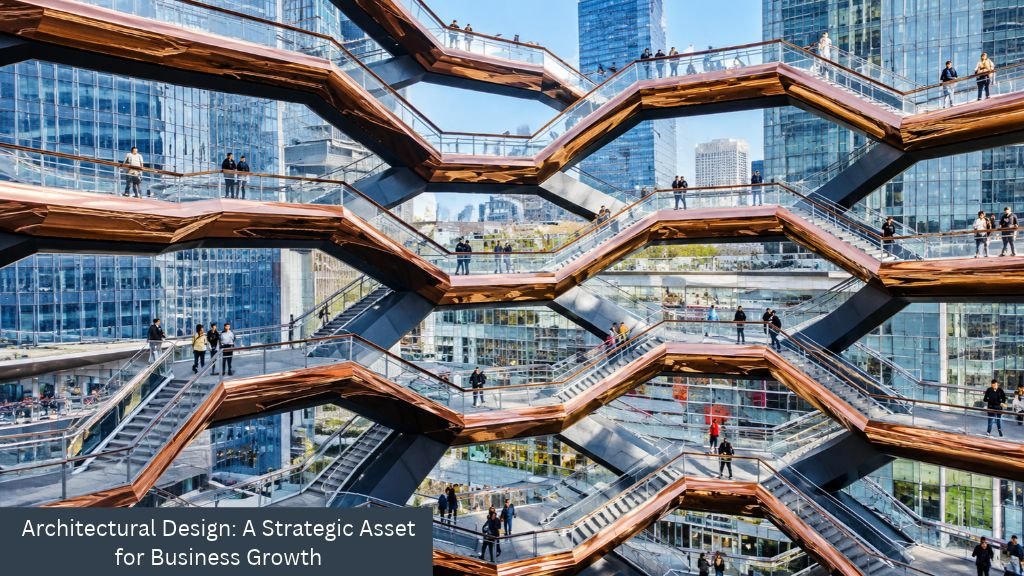


A well-designed building can support a company’s growth long before a customer enters the lobby. Its layout, exterior, and material choices influence operating costs, brand recognition, and the daily experience of employees and visitors. These factors make architectural design a business decision as much as a creative one, especially when considering its impact on customer experience.
Companies planning a new location or renovating an existing property should connect each design choice to a measurable objective. That might mean improving energy performance, increasing usable floor space, or creating a more recognizable street presence.
Beyond Aesthetics: The Business Impact
Strategic design starts with the way a building needs to perform. Efficient floor plans can reduce wasted space, shorten walking routes and make future changes easier. Natural light and carefully positioned shared areas may also help employees communicate without disrupting focused work.
The same thinking applies to customer-facing environments. Clear entrances, visible service points and intuitive circulation reduce confusion and help visitors feel comfortable. These details support the broader principle that strategic design drives growth when it connects visual decisions with practical business goals.
Before approving a concept, leaders should define three or four desired outcomes. A retailer may prioritize foot traffic and product visibility, while an office operator may focus on occupancy flexibility and lower maintenance costs.
Creating Iconic Brand Presences
Architecture gives a physical form to brand identity. Color, scale, geometry, and material selection can help customers recognize a business before they see its sign. Consistency matters, especially for organizations with several locations. Repeated design cues create familiarity while allowing each building to respond to its setting.
A strong brand architecture strategy can also clarify how different services or business divisions relate to one another. The property then becomes part of a larger and more coherent brand system.
For architects and installers developing a distinctive facade, an architectural aluminum surround can introduce tapered profiles, patterned surfaces, and varied sightline thicknesses around windows. Such details can establish a recognizable visual rhythm without depending on oversized graphics or temporary decoration.
Enhancing Occupant Experience
People experience architecture through everyday moments: finding the entrance, locating a meeting room or settling into a comfortable workspace. Design teams should map these common activities early, then identify points where noise, glare, or confusing circulation could create friction.
For example, placing quiet work areas beside elevators may save space on paper but produce constant distractions. Moving those rooms deeper into the floor plan and using the elevator zone for informal seating can improve both functions. Controls for lighting and temperature should also be easy to understand and accessible to the people using them.
Gather feedback after occupancy as well. Short surveys, maintenance records, and room-booking data can reveal which spaces work as intended. Those findings can guide small adjustments and improve the next project.
The Role of Exterior Elements
A building’s exterior must balance identity, performance and upkeep. Windows, shading features, entrances, and facade panels all affect how the property looks from a distance and how it performs throughout the day. Their proportions can make a modest structure feel organized and intentional.
Material evaluation should cover more than initial price. Ask how each finish handles sun exposure, moisture, and routine cleaning. Teams should also review connection details, replacement procedures, and compatibility with the rest of the building envelope. A beautiful component that’s difficult to access may create avoidable maintenance costs later.
Mock-ups offer a practical way to test these decisions. Viewing a full-size exterior section under changing light can expose color shifts, awkward joints, or sightlines that drawings may not reveal.
Investing in Lasting Value
Good architectural design continues producing value after construction ends. Adaptable interiors can accommodate new teams or tenants with fewer structural changes, while durable exterior materials can reduce repair cycles. Clear wayfinding and accessible circulation may also keep the property useful for a wider range of occupants.
Owners should compare design options using life-cycle costs, expected service intervals, and operational demands. For instance, a less expensive facade system may require more frequent refinishing, making it costlier across 15 or 20 years. Documenting assumptions helps decision-makers see where a higher initial investment could prevent recurring expenses.
The most useful final design review focuses on specific details. Confirm how exterior components meet at corners, how occupants will control their environment, and how the space could change as the business grows. Those decisions are where long-term architectural value becomes tangible.